On-Site Treatment Solutions for Infectious Waste
IN BUSINESS
EQUIPMENT LIFESPAN
AND PARTNERS
ABOUT US
Why Choose On-site Treatment for Infectious Waste?
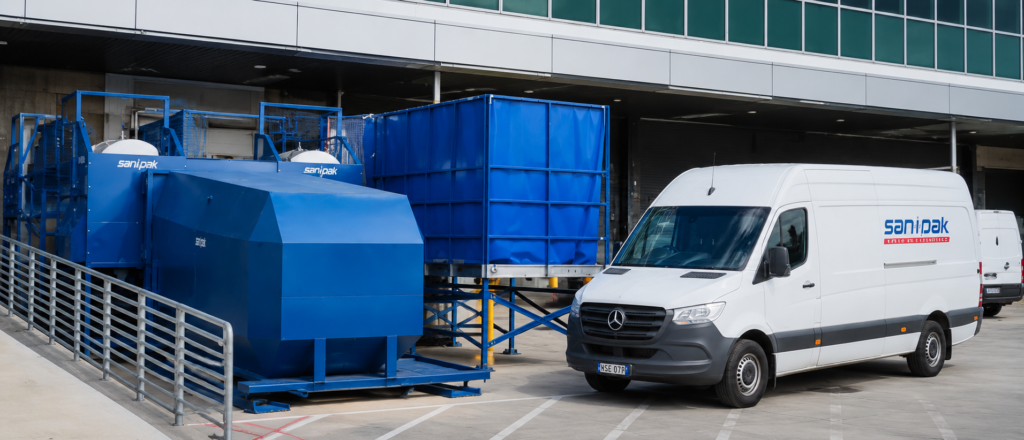
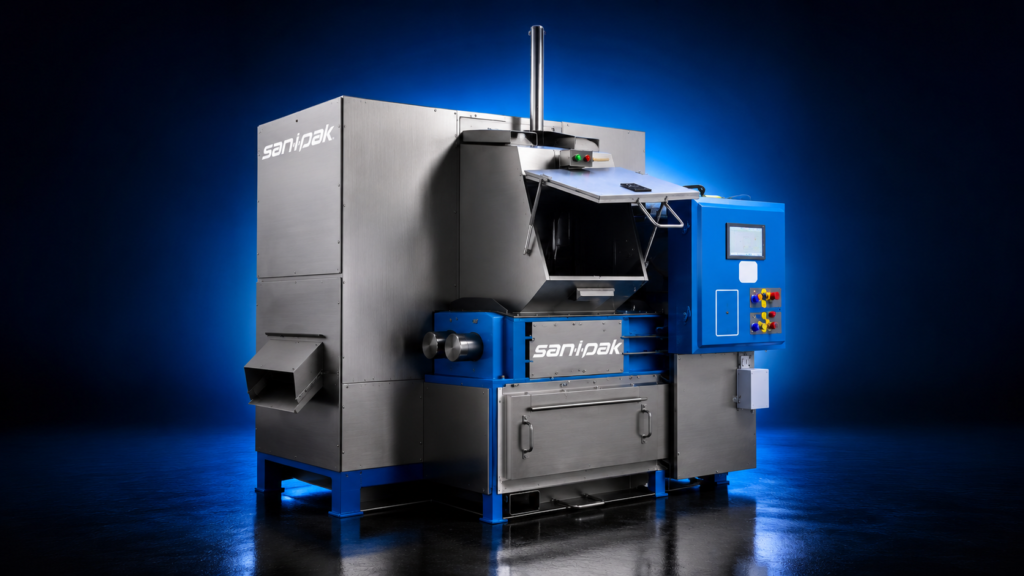
San-I-Pak pioneered the first clean and green alternative to incineration. Our on-site sterilization technology helps minimize infectious waste, protect public health, and cut operational costs.
Future-proof your facility with built-in surge capacity, streamlines multi-stream waste consolidation, and optimized square footage designed to fortify emergency readiness
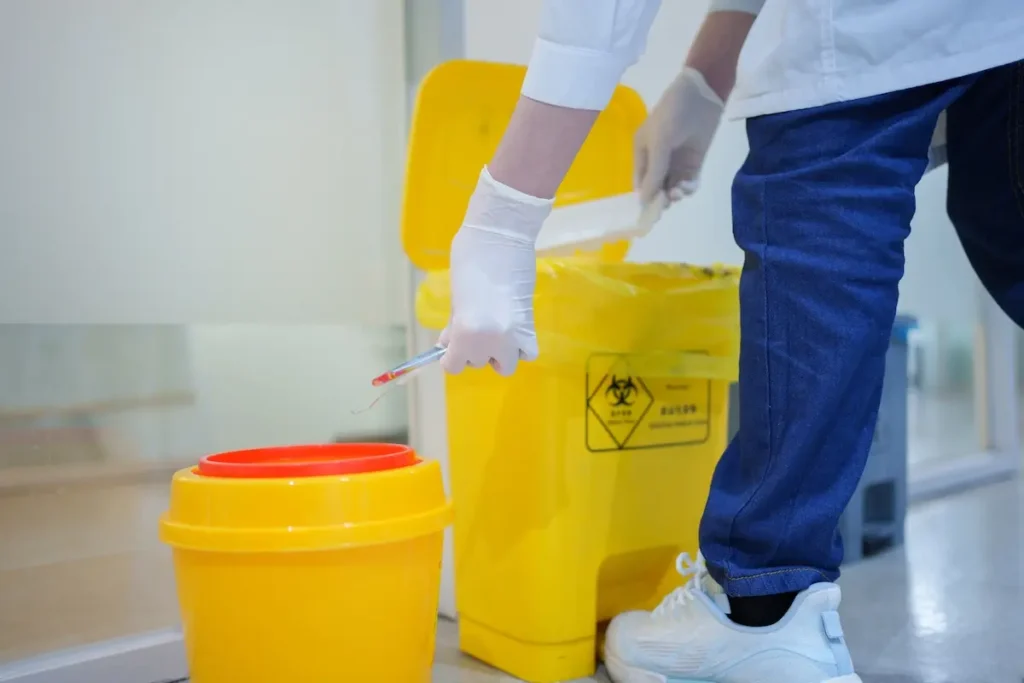
Achieve ultimate biosafety through advanced ‘total-kill’ treatment efficacy that eliminates pathogen aerosolization, employee handline, and public exposure to infectious waste
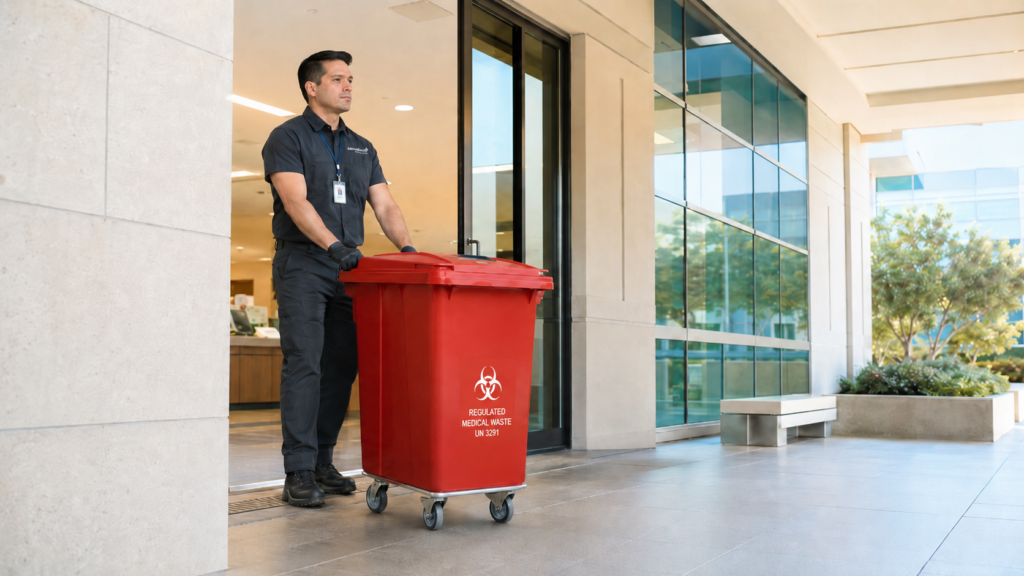
Deploy the industry’s premiere clean, green alternative to incineration – shrinking your RMW footprint from 15% to 1% while drastically cutting transport-related carbon emissions
Lock in 20+ years of cost stabilization and secure an aggressive return on investment by reducing hauling, labor, and overall waste operating expense by up to 70%.
SERVICES
San-I-Pak’s mission is to serve four primary objectives for healthcare
We provide on-site infectious-waste treatment solutions for hospitals of all sizes. Our systems help reduce waste volume, transportation needs, and operating costs.
We support clinical, research, and diagnostic laboratories with safe on-site waste treatment. Our solutions help simplify handling while improving preparedness and control.
We provide practical waste-treatment solutions for outpatient facilities and multi-tenant medical buildings. Our systems help streamline compliance and reduce reliance on off-site transport.
We offer on-site treatment solutions for infectious and regulated waste in airport environments. Our systems help strengthen biosecurity, safety, and emergency readiness.
Our Products
Testimonials
During my tenure as Director of Environmental Programs for the Veterans Health Administration, I had the privilege of partnering with San-i-Pak to manage the growing and complex challenges of biohazardous waste disposal across our network of facilities. From the outset, San-i-Pak distinguished itself as far more than a vendor — they were a true operational partner, bringing deep expertise, unwavering reliability, and a level of professionalism that consistently exceeded our expectations.
When the COVID-19 pandemic dramatically increased the volume and urgency of our biohazard waste management needs, San-i-Pak rose to the occasion without hesitation. Their team responded with speed, flexibility, and a thorough command of evolving regulatory requirements, ensuring that the VA remained in full compliance even as the landscape shifted rapidly beneath us. Their proactive communication kept our team informed at every step, and their responsiveness to our operational demands — often under extraordinary pressure — gave us confidence when it mattered most.
I recommend San-i-Pak without reservation to any organization navigating the increasingly complex world of medical and biohazardous waste management. Their combination of technical expertise, regulatory knowledge, and genuine commitment to partnership makes them an exceptional choice. The Veterans Health Administration is a better, safer, and more compliant organization for having worked alongside them.
For more than forty years, UWMC has treated its infectious waste on site using advanced medical waste treatment technologies. This has never been a convenience for us. It is a core safety responsibility and one of the most consistent operational strengths we have. Treating waste where it is generated gives us regulatory confidence, protects our staff, and keeps our hospital steady through surges, emergencies, and the unexpected.
Our sustainability impact has been just as significant. By eliminating long distance transport and reducing waste volume, we have meaningfully lowered our carbon footprint and strengthened our commitment to sustainable healthcare and long term environmental responsibility. This approach has allowed us to support patient care while reducing our environmental impact in a measurable and responsible way.
The financial impact has been equally clear with millions saved in avoided vendor fees and long term cost stability that supports essential operations. After four decades on site treatment remains one of the most dependable and mission aligned systems in our entire operation and continues to deliver exactly what we need every single day.
United Regional Health Care System has proudly relied on San-I-Pak technology since 2009, and it has become an essential component of our regulated medical waste management program.
Over the years, we have completed nearly 21,000 treatment cycles across our two San-I-Pak chambers, demonstrating the exceptional durability, reliability, and longevity of the equipment. The system has consistently provided dependable performance while helping us safely and efficiently process regulated medical waste in a compliant and environmentally responsible manner.
From a financial standpoint, the investment proved its value early on. Compared to outsourcing medical waste treatment to outside contractors, our organization realized a return on investment in approximately 2.5 years, while continuing to benefit from long-term operational savings and greater control over our waste management process.
Equally important is the outstanding support provided by the San-I-Pak team. Their service technicians are knowledgeable, responsive, and always willing to answer questions or provide assistance whenever needed. Whether addressing routine maintenance concerns or offering technical guidance, they have been a trusted partner throughout our many years of operation.
After more than a decade and a half of continuous use, we continue to have complete confidence in both the San-I-Pak system and the people who support it. We would highly recommend San-I-Pak to any healthcare organization seeking a proven, reliable, cost-effective, and well-supported medical waste treatment solution.
United Regional Health Care System
Latest News & Events
When a healthcare facility prepares for a high-consequence infectious disease,
Rural communities across the United States have long faced unique